
Why the 11+ Exam Is So Tough to Pass: A Parent's Guide
For many families, the 11+ exam can feel overwhelming. It is often the first-time children face a formal, high-pressure assessment, and it comes at an age when confidence is still developing. Parents are frequently surprised when capable, bright children struggle, despite doing well at school.
The reality is that the 11+ exam, particularly the GL Assessment version used by many grammar schools, is intentionally demanding. With strict time limits, tricky multiple-choice questions, very close answer options, and content that often goes beyond the school curriculum, the exam tests far more than academic ability. It challenges how quickly a child can think, how well they manage pressure, and how confidently they apply unfamiliar skills in a timed environment where every mark matters.
At Sterling Study, we have helped over 100 students since 2020 successfully pass this tough exam. In this blog, we break down exactly why the 11+ is so challenging, explore the key areas where students commonly struggle, and explain how the right preparation, structure, and exam strategy can make a real difference on the day.
What Makes the 11+ Exam So Competitive?
The 11+ is used to decide entry into grammar schools, which means the competition is intense. In many areas, hundreds or even thousands of children sit the exam for a limited number of places. This alone raises the stakes.
The exam usually covers English, Maths, Verbal Reasoning and Non-Verbal Reasoning. Most grammar schools use GL Assessment papers, which are known for their fast pace and carefully designed questions. Scores are often very close, so a small number of mistakes can make a big difference to the final outcome.
This level of competition can be difficult for children to fully understand, but they often feel the pressure nonetheless.

Why Timing Is One of the Biggest Challenges
One of the most common reasons children struggle with the 11+ exam is time pressure. In GL Assessment papers, students may have less than a minute to answer each question. That means they need to read quickly, process information accurately and move on without hesitation.
Many children know how to solve the questions, but they work too slowly. Others rush and make avoidable mistakes. Without regular timed practice, it is very easy to lose marks simply because the clock runs out.
At Sterling Study, we place a strong emphasis on timed practice. By the time students sit the real exam, they are already familiar with the pace and know how to manage their time calmly and effectively.
Multiple Choice Questions That Are Designed to Trick
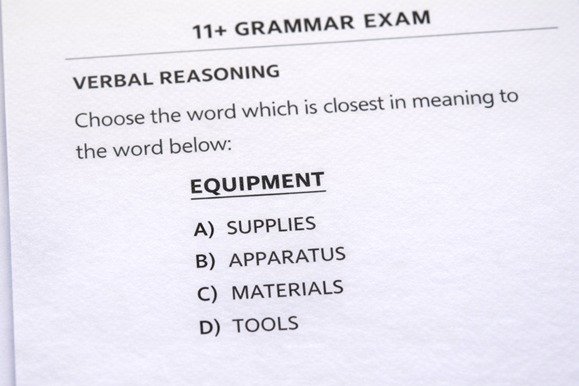
Another reason the 11+ exam is so tough is the way questions are presented. Most GL Assessment papers use multiple choice questions, but these are far from straightforward.
The incorrect answers are carefully written to look tempting. They often reflect common mistakes or partial understanding. This means that guessing is rarely successful. Children need to know how to rule out wrong answers and identify the best option, even when several choices look plausible.
We spend time teaching students how to approach multiple choice questions strategically. Once they understand how these questions are constructed, they become far more confident and accurate.
The Emotional Pressure of the 11+ Exam
For many children, the 11+ is their first experience of a high-stakes exam. There is often a sense that everything depends on one day, which can create anxiety and self-doubt.
Even well-prepared students can underperform if nerves take over. That is why emotional preparation is just as important as academic practice.
At Sterling Study, we focus on building confidence and resilience. Our aim is for students to walk into the exam feeling prepared, calm and capable, rather than overwhelmed.
How Sterling Study Helps Students Succeed
Sterling Study offers structured, supportive 11+ preparation tailored to each child. We take the time to understand how every student learns, identify gaps early, and build strong exam technique alongside subject knowledge.

A key part of our approach is our monthly progress testing. These regular assessments allow us to track how each student is progressing over time and spot any areas of difficulty before they become bigger problems. After every progress test, parents receive a clear, detailed report highlighting strengths, areas of concern, and next steps.
We use this data to actively shape each student’s learning plan, ensuring lessons are fully customised to target exactly what they need most. This means no time is wasted and support is always focused where it will have the greatest impact.
Our tutors specialise in 11+ preparation and understand exactly what grammar schools are looking for. With regular practice, clear guidance, and personalised support informed by ongoing assessment, students build both the skills and the confidence they need to succeed.
Since 2020, we have helped over 100 students pass the 11+ exam, and we are proud to support families through what can otherwise be a stressful journey.
Final Thoughts
The 11+ exam is challenging for many reasons. Tight time limits, tricky multiple choice questions, unfamiliar content and high pressure all play a role. However, with the right preparation and expert guidance, it is a challenge that many students can overcome.
If you are considering 11+ support for your child, Sterling Study is here to help. Our structured approach and proven results ensure students are not only prepared for the exam, but confident going into it.
Learn more about our 11+ preparation programme here:
.